

How can Fintech navigate the world of regulation and compliance?
BBVA's Fintech University in San Francisco addressed regulation and compliance in one of its panels with important experts.
Page 7
BBVA's Fintech University in San Francisco addressed regulation and compliance in one of its panels with important experts.
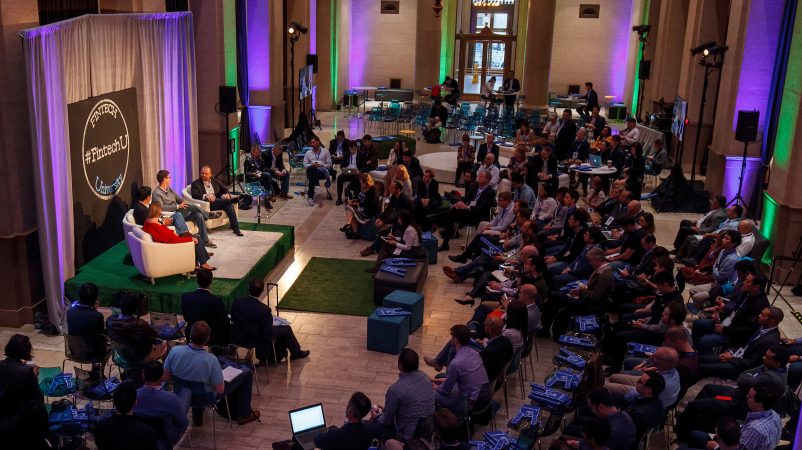
Over 200 attendees and more than 25 speakers enjoyed the one-day conference in San Francisco, a region with a thriving ecosystem of fintech startups.

The manner of ordering the information, contents, examples and even the language used in the explanations is of importance when it comes to facilitating work for developers. A well-structured documentation makes the process of learning about the new environment easier for them.

The number of smartphones users keeps rising across the world, albeit the use of these devices for purchasing products or services is still low. However, most experts believe that there is an upward trend that cannot be stopped.
In the future, banks may be the ones to provide verified digital customer identities, even though they are not responsible for monitoring or managing their personal data. This service will bring them income from third-party providers.

Data management, transactions with financial products, fraud control, scalability of services and platforms or increased satisfaction and retention of financial staff are some of the tasks performed by software in a bank.
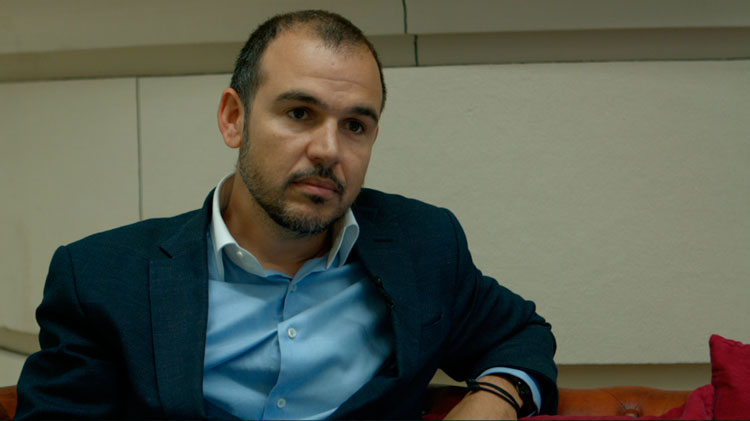
Microsoft’s Strategy manager, Pablo Junco, discusses in this interview the combination of Blockchain technology and APIs for creating platforms aimed at driving a wide range of businesses in the financial sector.

Traditional financial institutions are undertaking their digital transformation. Some decide the best way to achieve this is through open banking and open their platforms and APIs to third parties. In this interview, José Manuel de la Chica, of BBVA's New Digital Business, discusses this disruptive process.

Many banks already use private cloud computing and private Platform as a Service (PaaS) models for part of their financial services and products. They can choose between proprietary solutions like Apprenda, or open-source solutions like OpenStack.
A few days ago at Revolution Banking 2016, I had the chance to meet with other professionals in the sector and discuss Open APIs, open bank API platforms and of course the potential impact of the European Directive on Payment Services (PSD2) on the future of the financial and payments sector.


